
Tintype chemistry
When I got into tintype portraits wetplate photography in 2013, I didn’t know where to start. I purchased from many sites and never kept track of what was best. This time I want to create a spreadsheet to help my reorder.
Developer premixed vs raw
UV - https://uvphotographics.com/
Ferrous Sulfate Heptahydrate $14.95
Potassium Nitrate $22.95
Glacial Acetic Acid $13.95
Shipping $30
Art Craft - https://artcraftchemicals.com/
Ferrous Sulfate Heptahydrate $15.30
Potassium Nitrate $21.37
Glacial Acetic Acid $13.87
Potassium iodide $21.27
Cadmium bromide $35.70
Ammonium bromide $14.79
Shipping $15
Stock concentrate
64 g Ferrous Sulfate Heptahydrate
8 g Potassium Nitrate
100 mL Glacial Acetic Acid
100 mL high-proof grain alcohol
For tintype positives, that stock is then diluted 1:1 with distilled water before use.
So, for example, 100 mL stock + 100 mL distilled water = 200 mL working developer
Collodion Mix from raw chemistry
Bostic and Sullivan - https://www.bostick-sullivan.com/
Diethyl ether - $51.95
Plain collodion $45.75
Shipping $15
Quinn's Quick Clear Collodion
Part A — Salt solution
3 g cadmium bromide
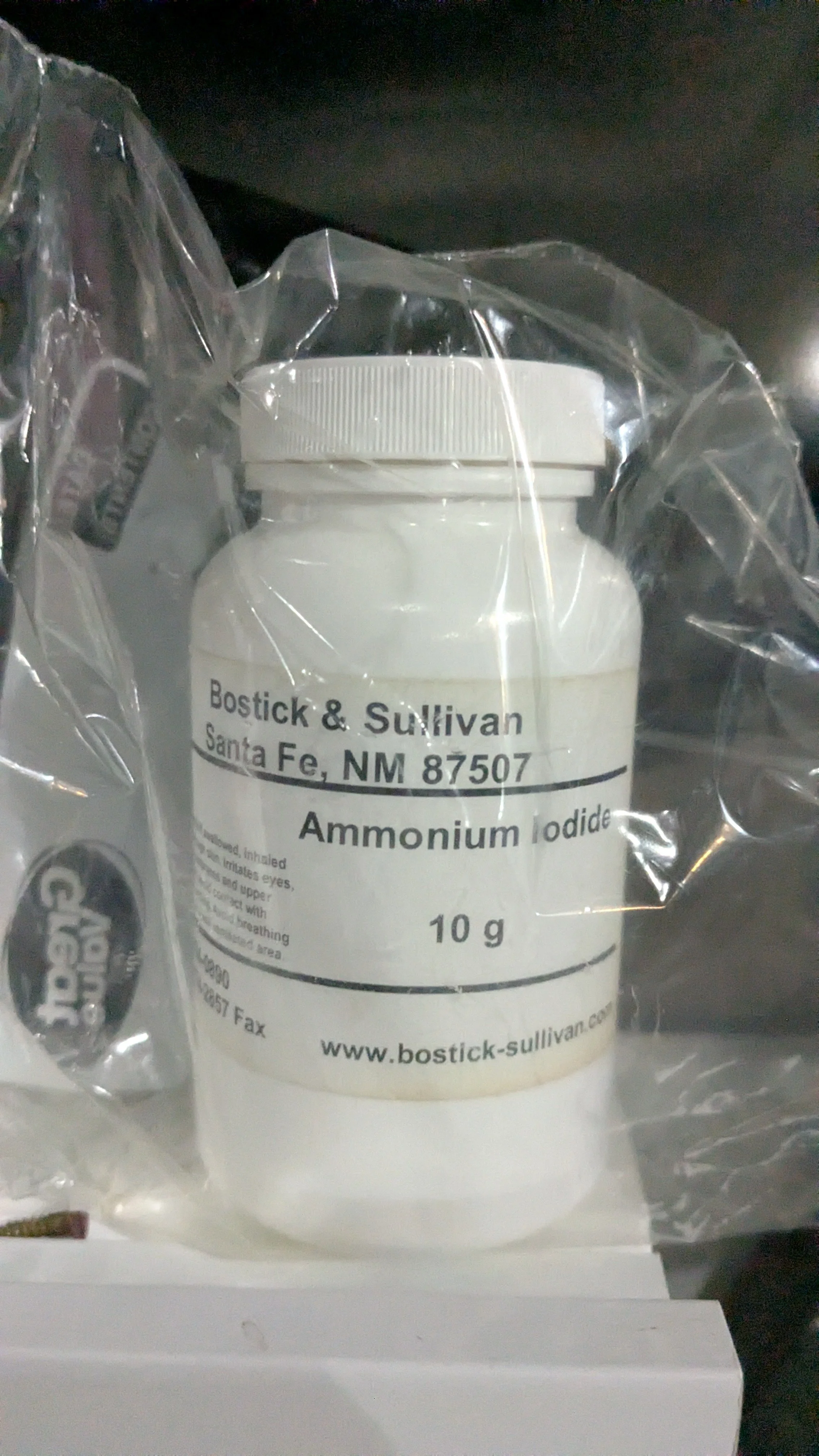
4 g ammonium iodide
5 mL distilled water
160 mL 95% ethanol / 190-proof Everclear
Part B
240 mL plain USP collodion
160 mL diethyl ether
The stock solutions are kept separately. For working collodion, combine:
3 parts A + 7 parts B
It clears very quickly and can be used shortly after mixing.
3 days before each session
You could make your A and B stock solutions ahead of time and then mix only the amount of working collodion you expect to need for a shoot.
100 mL working collodion
30 mL Part A
70 mL Part B
The 1-Month Working Developer (Best Approach)
Instead of a hyper-thick concentrate, you mix a large master batch of working developer all at once. By adjusting the chemistry slightly, we can easily push the shelf life to last a full month.
To make a mixed batch last 4+ weeks, we introduce a classic wet plate trick: White Granulated Sugar. Adding sugar acts as a preservative (organifier) that slows down the oxidation of the iron, keeping the liquid functional for up to 4–6 weeks.
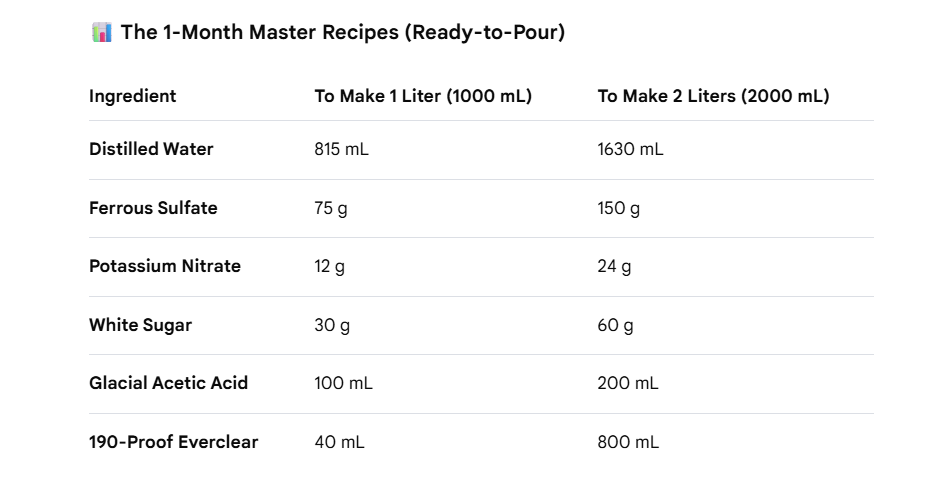
How to mix it: Dissolve the Ferrous Sulfate, Potassium Nitrate, and Sugar into the warm distilled water first. Once dissolved, slowly add the Glacial Acetic Acid, and finish by stirring in the Everclear. Filter the entire batch through coffee filters into amber glass bottles.
